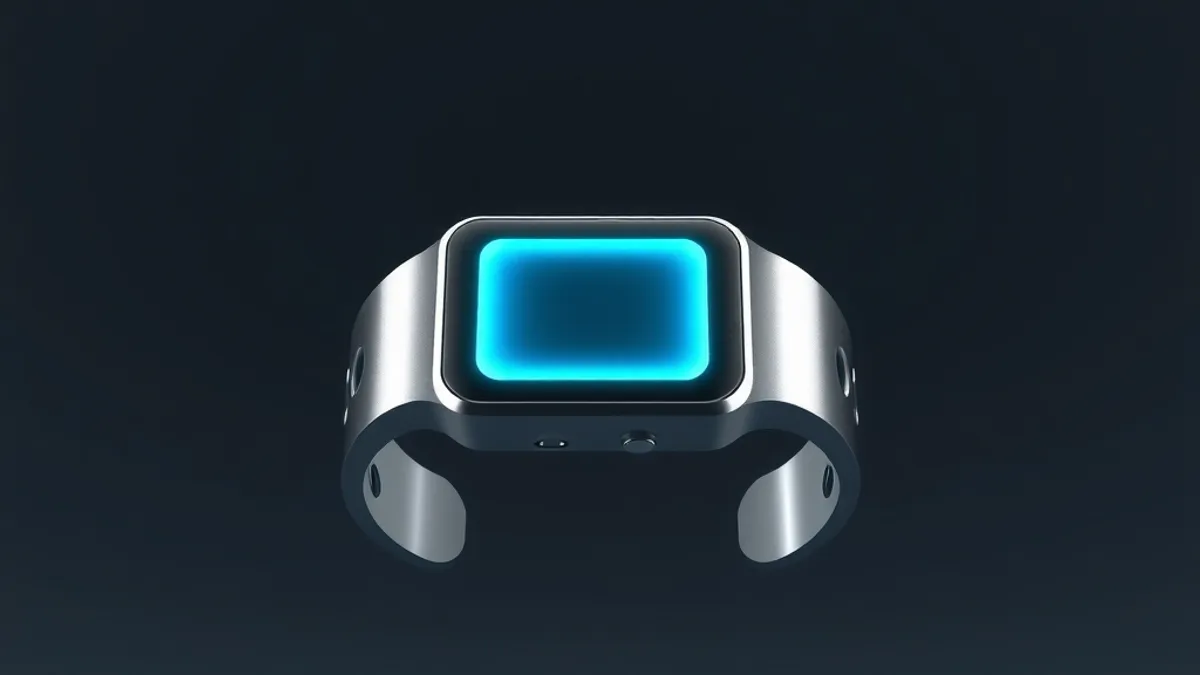
Google unveiled the Fitbit Edge on October 12 at $179.99. According to Google’s announcement post, preorders are open on the Google Store and at retail partners, and the tracker reaches store shelves on October 27. It is a fitness band with a screen that sits between the screenless Fitbit Air and the Pixel Watch 5.
What Google announced
Google’s post calls the Edge the smartest fitness tracker it has built. The standard model costs $179.99, and a Stephen Curry special edition starts at $219.99. The finishes are Obsidian (matte black case), Fog (polished silver), Olive and Canyon (warm gold). Every buyer gets three months of Google Health Premium at no charge.
On the same page, the display is OLED with 46% more viewing area than earlier Fitbit trackers. The case is aluminum and 11.5 mm thick, and water resistance reaches 50 meters (5 ATM and IP68, though Google notes it is not waterproof or dustproof). Battery life is up to seven days in pre-production testing, and five minutes of fast charging gives a day of use, assuming a 30W adapter, which is sold separately. The most unusual hardware detail is a replaceable battery: Google calls the Edge the first repairable Fitbit tracker.
What the leaks got right and wrong
Before the announcement, leaks pointed to 40 exercise modes, about 7 days of battery and 5 ATM plus IP68 water resistance. The last two held up. The exercise count came in higher: Google lists more than 50 modes and automatic recognition of up to 100 workout types. Details such as Bluetooth 5.4, the 17.7 g weight and the 1.34-inch screen came only from leaks and are not on the official page, so treat them as unconfirmed. The price also landed close to forecast: leaks suggested roughly $180 in the US, 179 euros in Europe and 159 pounds in the UK.
The road to launch was long. According to 9to5Google, the Edge first showed up by accident in a Pixel 11 ad in August, then in an FCC filing in September, and retail images published by Android Headlines in early October. Those images already listed Android 11 or later and iOS 16.4 or later, the same versions Google confirmed, plus the replaceable battery that became a headline feature.
Some details did not hold up. The leak mentioned YouTube Music, but Google’s page lists only Google Maps and media controls. On battery, the leak split it into 7 days with the always-on display off and 2 days with it on; Google only says up to 7 days. Engadget even showed a pastel pink version that is not among the official colors. The takeaway for the next leak: retail images and FCC filings tend to get the design and basic features right, while app lists, colors and international pricing change more often.
Health and training features
Google says the GPS is up to 40% more accurate than previous generations, which is the company’s own measurement and has no independent test yet. The Edge also has an altimeter, continuous heart rate monitoring, a skin temperature sensor and an on-wrist ECG app. A new feature called Health Guardian tracks trends in blood pressure and insulin resistance, and warns you about unusually high or low heart rates. Google itself says several of these features vary by country, and the ECG is limited to select countries and users 22 and older. Before counting on any of them, check the feature list for your country and your age.
The Google Health Coach, which uses Gemini to build weekly routines and workout plans, requires a Premium subscription, according to Engadget. Like any language model, it can get things wrong, so treat its plans as suggestions. After the three free months, keeping it depends on a paid plan, and Google’s announcement does not list that price.
Edge vs. Air vs. Pixel Watch 5
| Fitbit Air | Fitbit Edge | Pixel Watch 5 | |
|---|---|---|---|
| Screen | none | OLED | yes |
| US starting price | $99.99 | $179.99 | $399 |
| Battery (stated) | up to 7 days | up to 7 days | not stated in these sources |
| Works with iPhone | yes | yes | no, per 9to5Google |
The Air’s details come from its May launch, and the Pixel Watch 5 price comes from 9to5Google and Droid Life coverage before the announcement. The Air is a 5.2 g pebble with no display, meant for people who only want sleep and activity data in the app. The Edge adds a screen, GPS and ECG for about $80 more. The Pixel Watch 5 remains the full smartwatch, at more than double the Edge’s price.
Should you buy now or wait?
This part is opinion: if you use an iPhone and want a week of battery without paying smartwatch prices, the Edge deserves a close look. Check three things first. One is the Premium cost after the trial, which adds to the real price of owning the device. Another is which health features are available where you live, since Google says availability varies. The third is real-world battery and GPS performance, because Google’s numbers come from its own testing.
Units only reach stores on October 27, so independent battery and GPS tests will take a while. Waiting for them is a sensible choice. If you do preorder, read the return policy of the store you pick, in case the battery or GPS falls short of what you expected.
What we still do not know
Still missing are the Premium subscription price, the full list of countries, case sizes and the markets where ECG and Health Guardian will be active. There are no independent measurements of battery or GPS yet. For background on the AI behind the coach, see how the free Gemini tier changed.