Google has admitted that some Android apps don’t run well on Googlebooks with Intel processors. The company says the vast majority of apps run smoothly on both Intel and Qualcomm models, but “a small handful of complex apps or games” need developer tuning to run their best on Intel.
The statement comes after pre-orders opened for the new laptops, which Engadget says began on September 21, 2026.
What’s going wrong
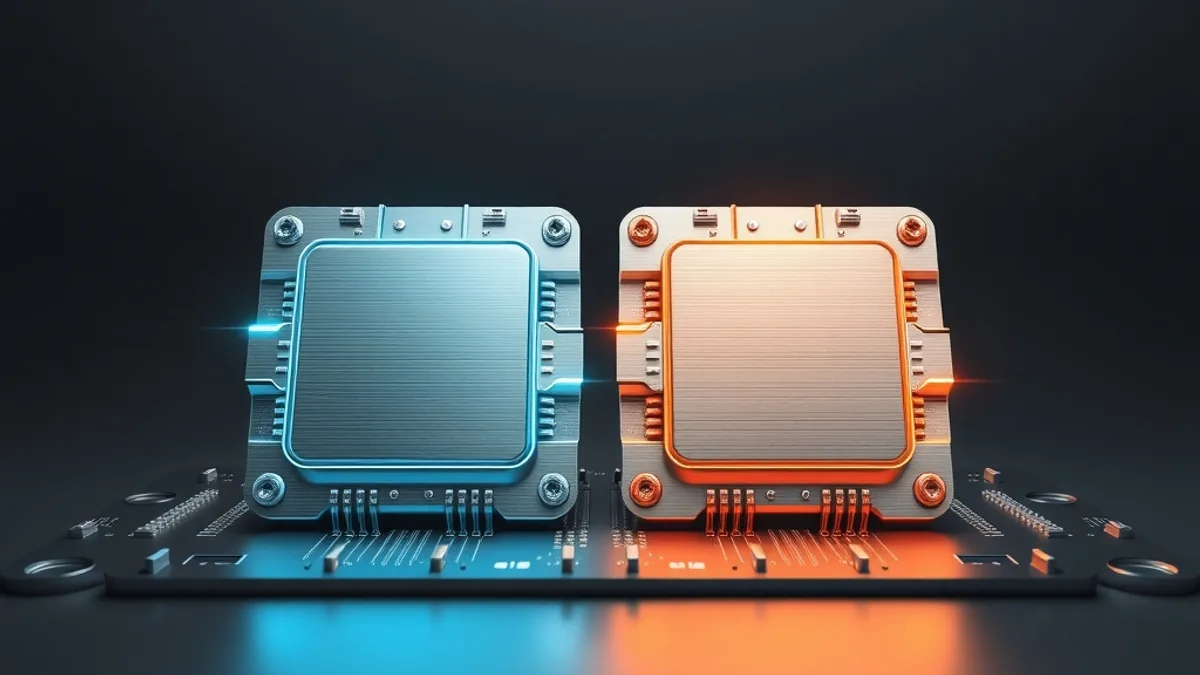
The cause is technical but easy to grasp. Android apps were originally built for ARM processors, the same family used in phones. Intel Googlebooks use a different architecture, x86. To make apps work, the system runs a translation layer that converts ARM code to x86 on the fly.
That conversion has a cost. According to XDA Developers, Intel models end up with lower performance and battery life than the ARM models when running those apps.
Which models use which chip
Per Engadget, there are three Intel Googlebooks, from Acer, ASUS and Lenovo. There are also two with Qualcomm Snapdragon X Elite chips, one from Dell and one from HP. On the Qualcomm models the ARM architecture matches the apps, so no translation layer is needed.
What Google promises
Google didn’t say which apps have problems or describe what the problems look like. It says it is working with app developers, Intel and Qualcomm to keep optimizing performance and expanding compatibility. There’s no timeline for a fix.
In the meantime, the Play Store has a curated selection of apps optimized for Googlebooks. Unoptimized Android apps can still be downloaded, and that’s where trouble can show up.
What this means in practice
For everyday use like browsing, email, streaming and lightweight apps, Google expects things to work fine. The risk is for people planning to run demanding Android games or complex professional apps on the laptop.
The performance and battery gap between Intel and ARM is worth keeping in mind, but the right pick depends on how you’ll use the machine. If you want to buy at launch, you could wait for independent reviews first. The sources don’t include pricing.
What to watch
Elsewhere in laptops, Apple is reportedly working on hardware too: see the lighter OLED MacBook Pro rumor. The warning came from Google itself before the laptops reached buyers. Only after the first independent reviews will it be clear which apps and games end up needing tuning.
Android is also getting new requirements in the car: see our note on Android Auto dropping Android 9 and 10.